
By: Erin Dugan
Ever wonder why Salem, MA is known as the ultimate fall venue that people visit all season long? Well, it’s not a very pleasant story. If you’re in the mood to learn about the disturbing history of what makes this town known for its fall aesthetic, keep reading!
Let’s go back to 1626. English colonial settlers arrived in Naumkeag—what is now known as Salem. The settlers were mostly Puritans who opposed Roman Catholicism. Over the next several decades, new colonists arrived and tensions arose between settlers in Salem Village (present-day Danvers) and Salem Town (present-day Salem). Salem Town was filled with affluent merchants and sea captains who had autonomy over Salem Village, which was a farming community. In 1672, Salem Village was finally granted permission to establish their own church. These folks had more traditional Puritan beliefs, and thus ordained Reverend Samuel Parris as their first minister. He was very controversial amongst citizens in all of Salem due to his greedy behavior.
Flash forward to 1692, three young girls – including Parris’ daughter and niece – started exhibiting “abnormal behavior.” They were throwing fits, folding their bodies in strange ways, and making random noises. A doctor in Salem told Parris that this was all linked to witchcraft. Parris’ slave, Tituba, along with two other women were accused of being witches linked to the devil.
After the initial accusations, 1692 saw a wave of claims that many Salem residents were conspiring with the devil to harm Puritans. A few people from Salem Town were accused of witchcraft solely because they were skeptical. Fuel was added to the fire with tensions between these residents; it was about power and who should rule over who. Eventually, the counties of Suffolk, Essex, and Middlesex became involved too. People would have to appear in special court, like the Court of Oyer and Terminer, and were often sentenced to death or jail, despite what they claimed. Spectral evidence was allowed, which meant people could testify using dreams and visions and it would be accepted by the court. People became so wrapped up in the idea of witchcraft that they even killed two dogs who they believed were associated with the devil.

Photo: Smithsonian Magazine
By May of 1693, Governor William Phips, who originally was in support of the Salem Witch Trials, dismissed the court and pardoned all those imprisoned for witchcraft. One of the reasons he finally came to this conclusion was the accusations his wife was facing for being a witch. While the Salem Witch Trials only lasted for about a year, irreversible damage was done. 25 women, men, and children died; most were hanged, some died in jail, and one was crushed to death with stones. In years to come, Salem residents declared the trials unlawful, participated in days of fasting, granted restitution to the victims’ families, and apologized for the events.
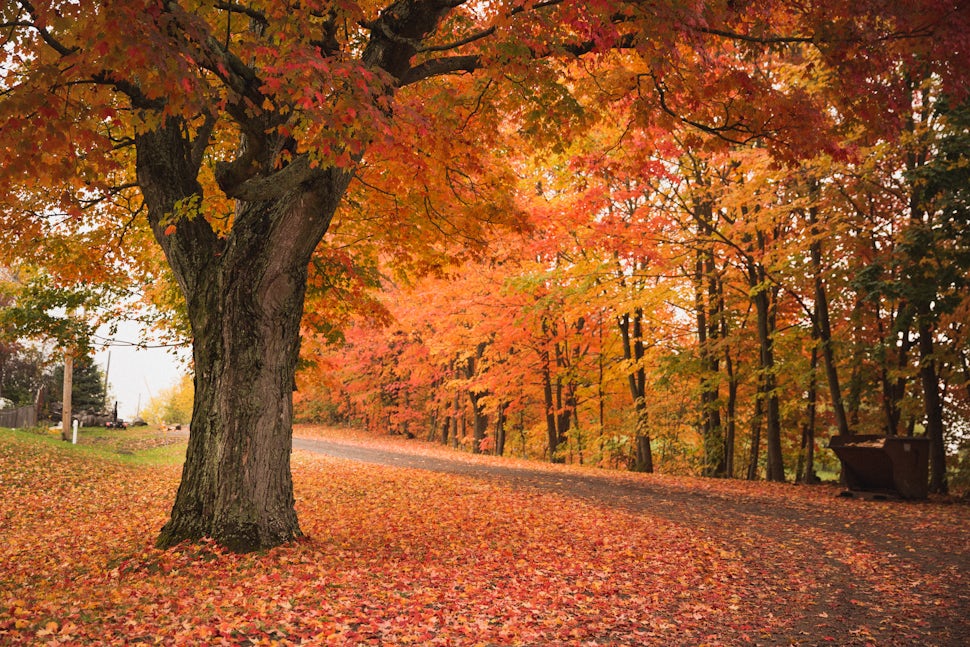
It was not until 1982 that Salem hosted their first Salem Haunted Happenings Festival on Halloween weekend. It became a success and they have welcomed tourists throughout the month of October every year since. The month of November has been home to the town’s beautiful fall foliage, attracting New Englanders from all around to see the changing leaves. Visitors can explore historic Salem homes, attend its festivals, and visit the Salem Witch Museum. This small town is the perfect fall destination for New England lovers and history buffs alike!
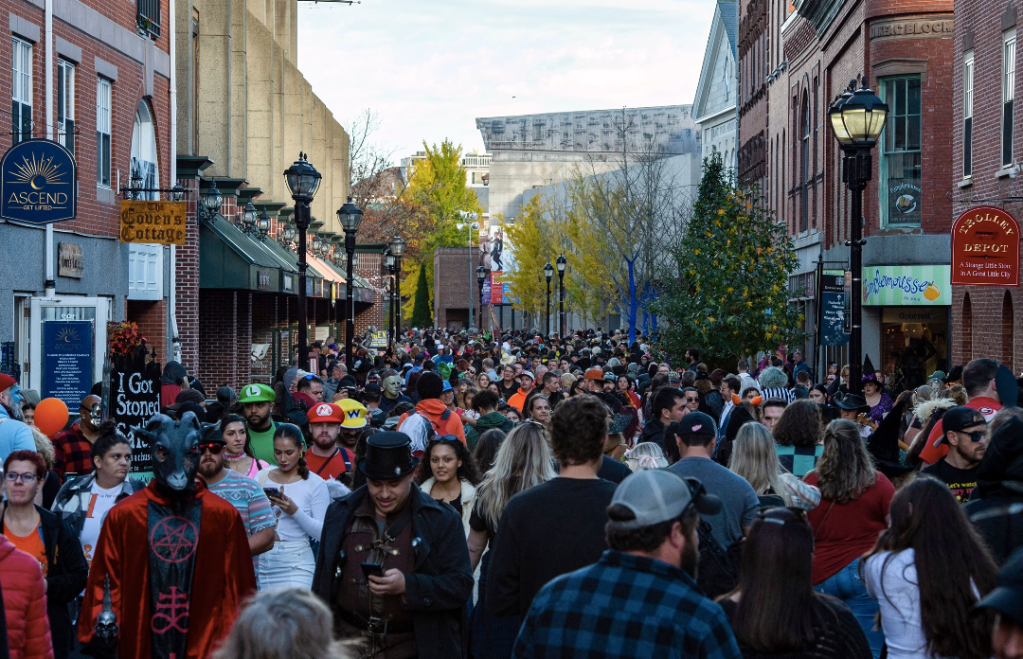
Photo: Boston.com
Blumberg, Jess. “A Brief History of the Salem Witch Trials.” Smithsonian Magazine, 24 Oct. 2022, Smithsonian Magazine.
McCourt, Clara. “Photos: The Best and Spookiest Halloween Costumes in Salem.” Boston.com, 31 Oct. 2022, https://www.boston.com/culture/local-news/2022/10/31/best-salem-halloween-pictures-costumes-2022/.
Peabody Essex Museum. “The Salem Witch Trials of 1692.” Peabody Essex Museum, https://www.pem.org/the-salem-witch-trials-of-1692
 The EastCoaster
Leave a comment