Beach Erosion: Where Are Our Beaches Going?

By: Grace Brogioli

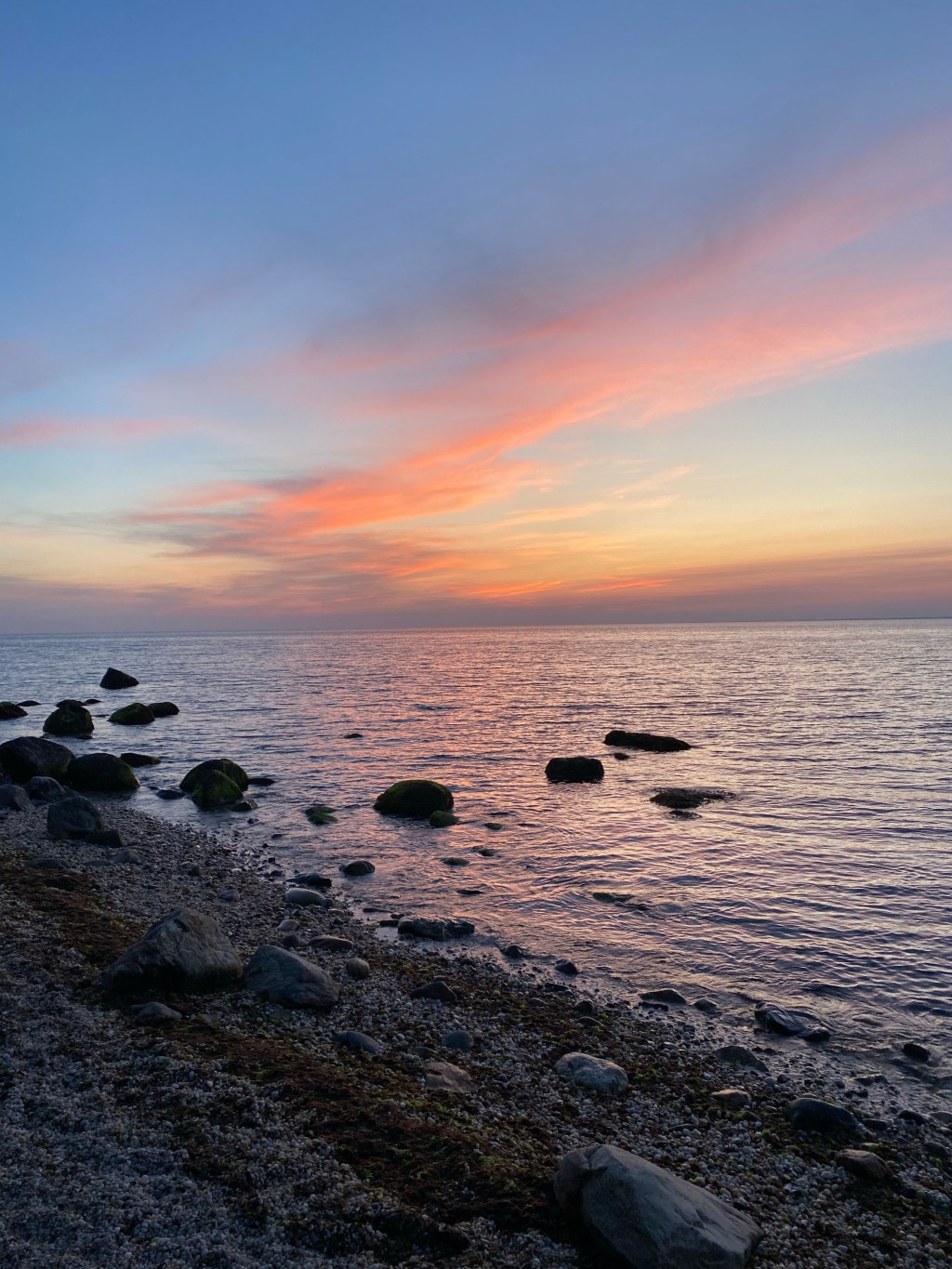
All along shores of the East Coast, many prominent northern summer places like Cape Cod and Long Island are being affected by beach erosion. Erosion is a gradual process in which sediments are worn away or destroyed. This is happening on many beaches along the coast.
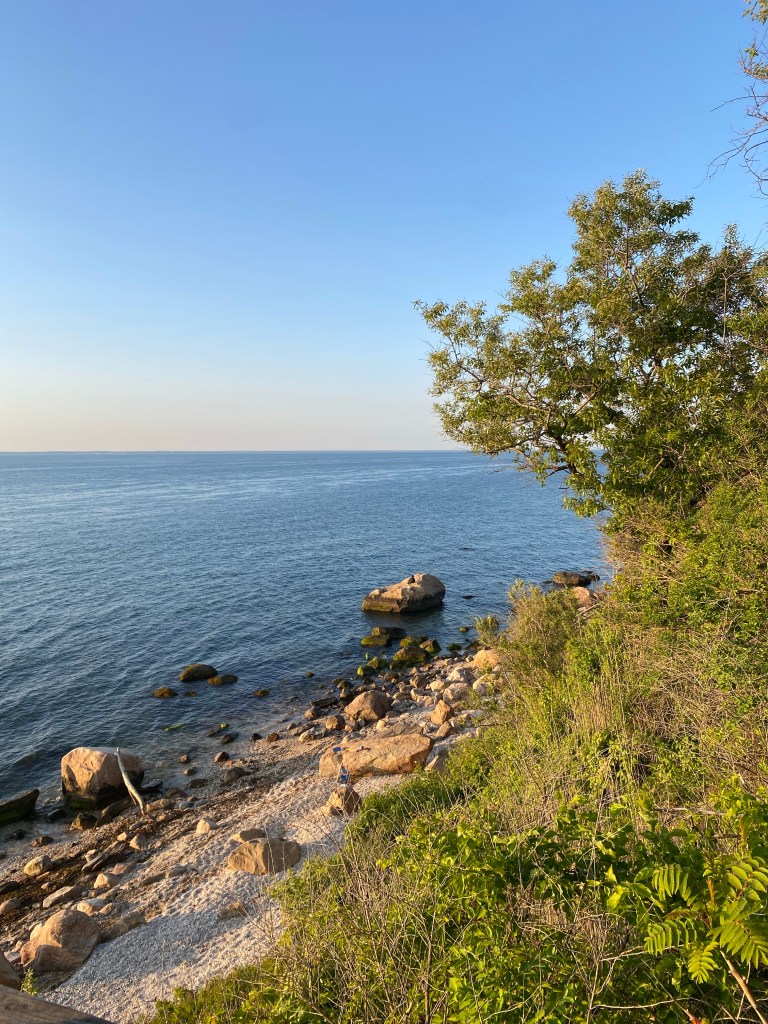
Hortons Beach, Southold NY

What some people often think about when it comes to erosion is that it is an urgent problem. However, in most cases, erosion is a natural process that has been occurring for thousands of years. Where erosion is causing the problems, climate change is speeding up this ‘natural process.’ Essentially, due to climate change, there have been an increased amount of storms— stronger ones too. Due to these storms, there are more winds, floods, and higher seas levels, which all contribute to coastal erosion.

The East Coast contributes to about 25% of the United States’ coastline. It is eroding at an average of 1-1.5 meters per year (2-3 feet per year). As of 2020, the East Coast has become the most targetted area of the country by beach erosion. Sea levels have risen with “86% of beaches already facing a high level of erosion.”1 With sea level rise only escalating since 2020 and climate change accelerating, even more of the beaches along the East Coast are at risk for high levels of erosion. 

Stefano Valentino, “New Study Forecasts Dramatic Beach Erosion along U.S. Coastline,” Washington Spectator, May 11, 2021, https://washingtonspectator.org/beach-erosion-valentino/.

3 responses to “Beach Erosion: Where Are Our Beaches Going?”

  1. Reblogged this on The EastCoaster and commented:

    Amazing Article Grace!

    Like

  2. Capt. Duncan Hathaway Avatar
    Capt. Duncan Hathaway

    Saw this article while bored at work and figured I’d give it a read since it’s something that is a massive point of discussion in my hometown, just some more info on the topic; The topic of erosion is one of those really controversial ones within the coastal communities, mainly due to the economic effects vs environmental impacts. It’s important to note the process of accretion in which the gentle summer winds blow the sand removed from the beach during the fall/winter storms back onto the beach. Erosion is just one part of a natural process in which development of the coastlines has served as the root of the problem. Sand is a very fine sediment which is easily shifted and moved, but it’s also what forms inlets, which are bodies of water that naturally moved from place to place over time and connect the ocean to a river, estuary, or bay. However, due to coastal development these inlets are no longer allowed to move freely, yet the sand beneath the surface of the ocean as well as in the bay continue to shift naturally. It’s why during Superstorm Sandy the Mantoloking bridge became an inlet, as well as other areas along the impacted coastlines. Essentially erosion itself, which is the part of the natural process that both removes and replenishes our beaches, isn’t simply a result of climate change, but rather another piece withing the extremely complex puzzle that is the marine environment. In regards to a solution to the issue there has yet to be a truly realistic one put into practice. Beach nourishment has been occurring along the east coast, however it involves bringing in sand from inland areas/ quarries, which comes at the cost of its own environmental destruction in both the marine ecosystem and the areas it was obtained. Additionally in areas such as Oregon Inlet, NC, Barnegate Inlet, NJ, and Fire Island Inlet, NY the sand from beach nourishment has led to sandbars blocking the entryways for ships and the natural flow of water. Perhaps the option which would be the most environmentally friendly would be allowing for the sand to ebb and flow from the beaches, however the reason it’s not allowed to is the economic impacts of coastal communities having smaller beaches. Just some additional info which is definitely worth noting if talking about beach erosion. Pretty sick website and concept though, wish you guys the best with it!

    Like

    1. Incredible insight. Nice to see that people genuinely care about our coastal environments and the impacts it takes from every angle! Thank you!

      Like

Leave a reply to Capt. Duncan Hathaway Cancel reply